How to improve the performance of your employees
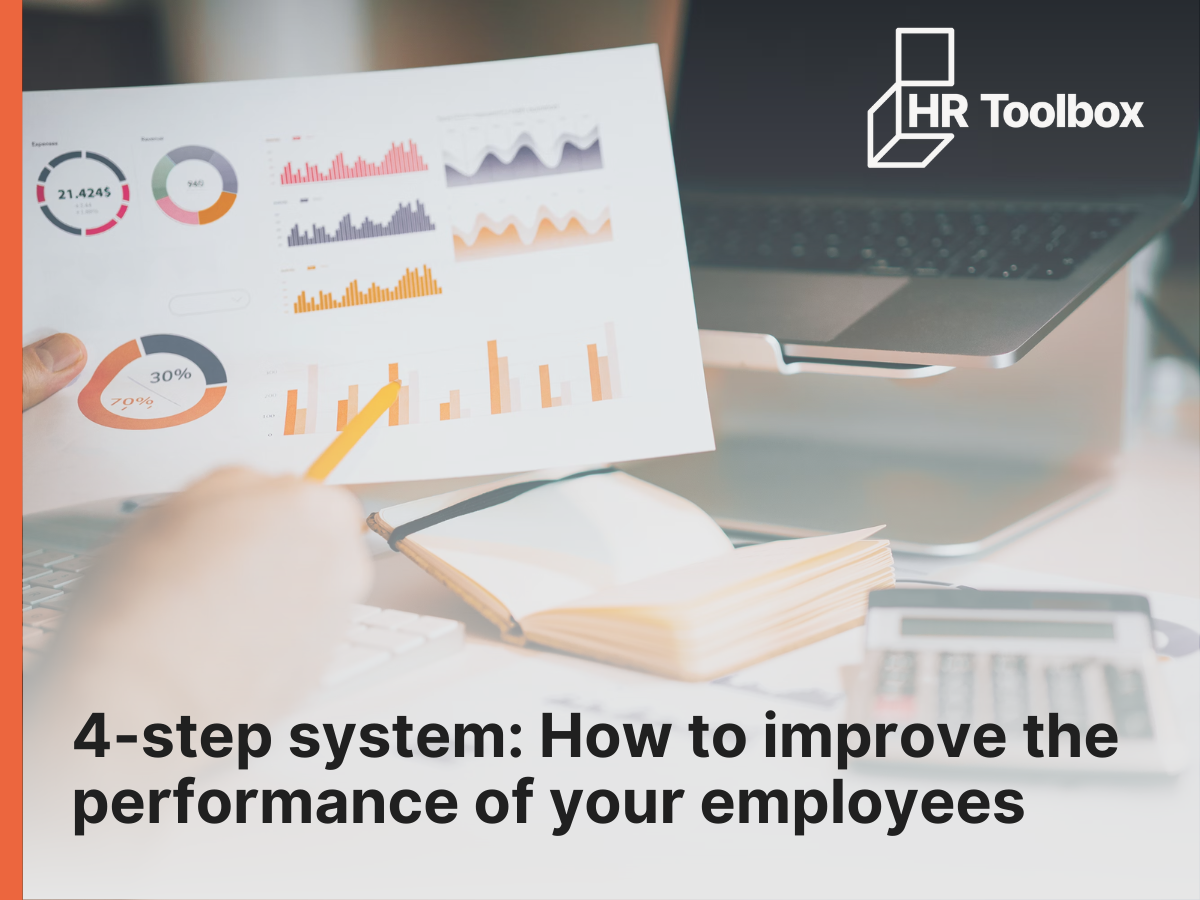
Putting systems in place to review and improve your employees’ performance is important because your employees’ performance directly impacts your bottom line.
What is Performance Management?
‘Performance Management’ is an umbrella term HR consultants use to describe strategies or actions to review and improve employee performance.
What are the benefits of Performance Management?
• Aligns individual performance with organisational goals
• Enhances productivity and efficiency
• Boosts employee engagement and motivation
• Improves communication between managers and employees
• Supports career development and growth
• Reduces risk and enhances accountability
• Enhances employee retention
What’s involved in managing your employees’ performance?
Many people think a monthly appraisal with your employees will complete the job. However, this approach is completely ineffective.
Instead, it would be best if you thought of Performance Management as a system that has 4 interconnected steps:
Step 1: Planning
Planning is the foundation of effective Performance Management. It begins with setting clear goals and expectations, ensuring employees understand their roles and responsibilities. This alignment helps create a shared vision of success, ensuring everyone is working towards common objectives.
Step 2: Monitoring
Monitoring involves regular check-ins, feedback and performance reviews that keep employees focused, supported and on track. These ongoing assessments allow managers to address challenges and make necessary adjustments, creating a dynamic process rather than a static, once-a-year review.
Step 3: Developing
Developing your people is crucial for maintaining a competitive edge. Providing continuous learning opportunities, such as training, mentoring and upskilling, empowers employees and enhances their performance. This pillar addresses current skill gaps and prepares employees for future roles, fostering a culture of growth and adaptability.
Step 4: Reward and Recognition
Recognising and rewarding hard work is more than good practice—it’s essential for maintaining motivation and engagement.
Rewards can be monetary or non-monetary, such as public recognition, career development opportunities or flexible work arrangements. This acknowledgement reinforces positive behaviours and drives a culture of high performance.
We can help you create your Performance Management System
Performance Management is not a one-time event, but an interconnected system of planning, monitoring, developing and rewards.
Integrating these steps into your Performance Management System creates an environment where employees feel valued, supported and driven to achieve their best.
This is something we can help you create. Get in touch for a confidential chat.
Get In Touch